Understanding the NFRC Label

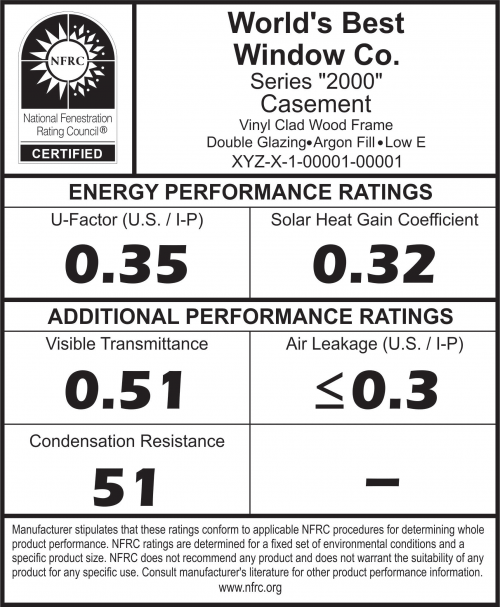
Reading the NFRC label can be a challenge at first glance, so we’ve put together a handy guide to help.
Words to know:
U-Factor (U Value)
SHGC (Solar Heat Gain Coefficient)
Visible Transmittance
Air Leakage
Condensation Resistance
About the NFRC Label
The energy performance label you find on window and door products are provided to be a tool to better help homeowners determine how well a product will perform the functions of helping to cool the home in the summer, warm the home in the winter, and how the product will keep out wind, and resist condensation.
By using the information contained on the label, consumers can reliably compare one product with another, and make informed decisions about the windows, doors, and skylights being considered for purchase.
How the NFRC Ratings Can Impact Your Home
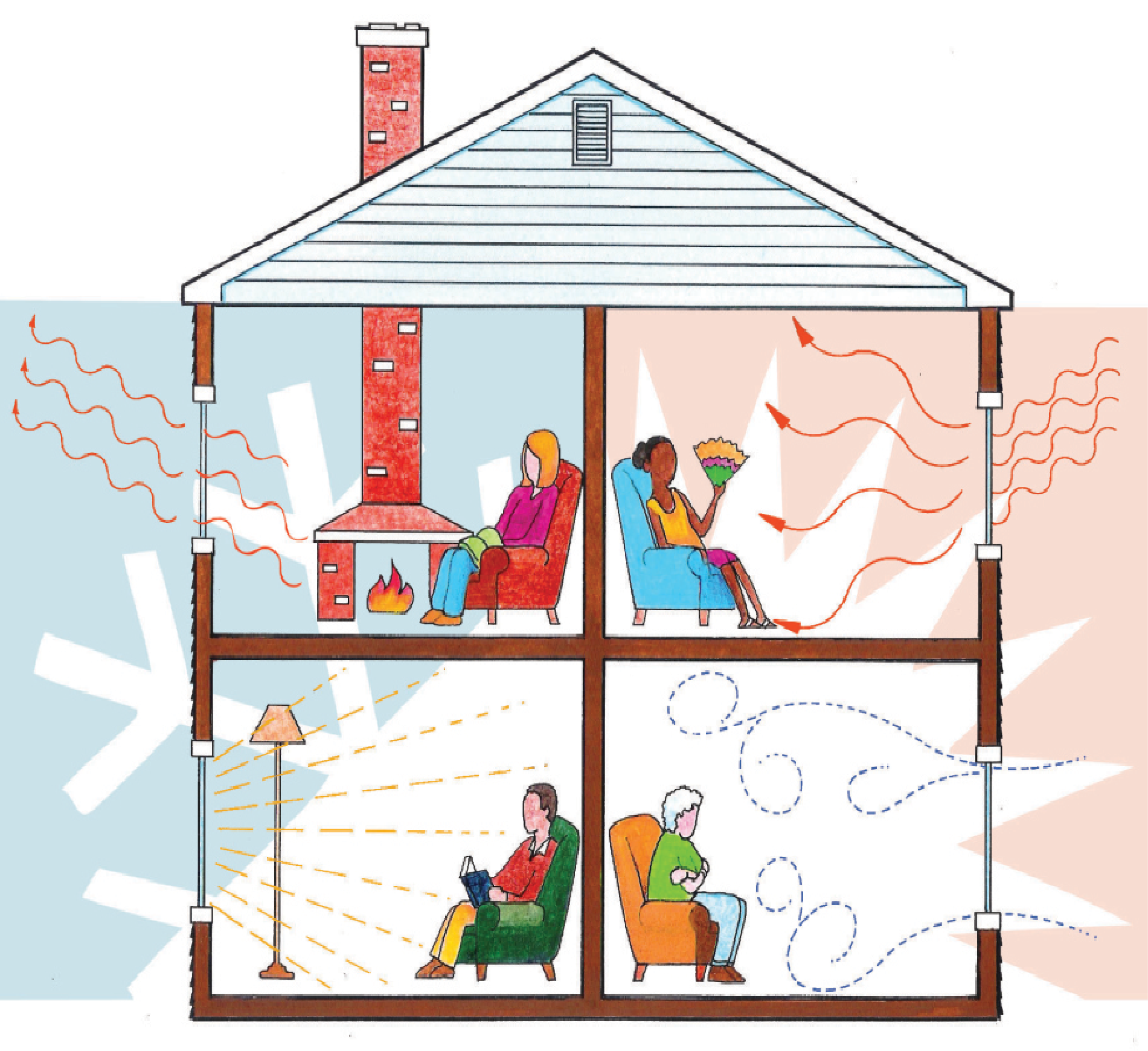
U-factor measures the heat from INSIDE a room that can escape. The lower the number the lower the potential for wasted heating expenses.
Solar Heat Gain Coefficient measures the amount of OUTDOOR heat that can enter a room. The lower the number, the lower the potential for wasted cooling expenses.
Visible Transmittance measures how much natural light can come into a room — a HIGH number means more natural light.
Air Leakage measures how much air will enter a room through the product. The lower the number, the lower the potential for draft through the product.
U-factor measures the heat from INSIDE a room that can escape. The lower the number the lower the potential for wasted heating expenses.
Solar Heat Gain Coefficient measures the amount of OUTDOOR heat that can enter a room. The lower the number, the lower the potential for wasted cooling expenses.
Visible Transmittance measures how much natural light can come into a room — a HIGH number means more natural light.
Air Leakage measures how much air will enter a room through the product. The lower the number, the lower the potential for draft through the product.